

For five years, Joan Berger Bachman and her 92-year-old mother, Eileen Opatz Berger teamed up to write, If Only You Would Ask, A Guide to Spending Quality Conversation with the Elderly. This easy-to- use book is a conversational resource, a manual and a tool for all those who struggle to carry on meaningful, enjoyable conversations. How did this book come about?
Here’s Joan’s Story:
When my father-in-law Bill was nearing the end of his life, I would visit him quite regularly. He had made the decision to stay in his own home until the end. Winters in Minnesota are long, cold and lonely, especially for someone who is afraid and/or unable to venture out. Being the dutiful daughter-in-law that I was, I felt compelled to make the 100-mile drive from Rochester to St. Paul to visit him. We would sit at his kitchen table, and I would tell him about what the kids were up to… and what I had been doing. His major topic of conversation was the rabbits he saw as he stared for hours out the back window of his house.
During this time, I shared with my mother how difficult visits with Bill were becoming. He had so little to share, and I wondered if the visits even mattered. Continue reading

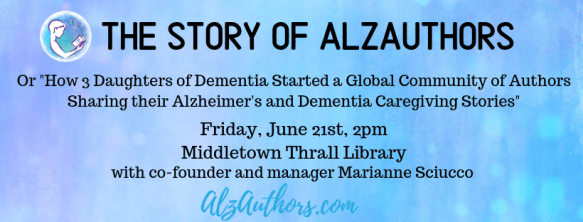
 After publication of my novel Blue Hydrangeas, an Alzheimer’s love story, I reached out to two other authors I met online who also published books on this deeply stigmatized subject. What happened next was totally unexpected: We created a movement that includes 200+ authors, a website, bookstore, anthologies, community outreach, and more. Our mission: To bring carefully vetted books and blogs to caregivers and others concerned about Alzheimer’s and dementia and to break through the silence that often accompanies these diseases.

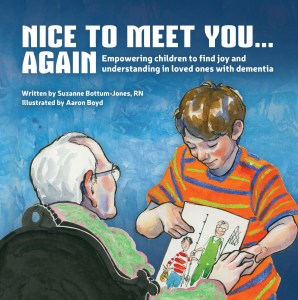 In the short time the book has been available I have been blessed with many responses from families of how they wished they would have had this resource when they were in this journey, or how it is currently changing their journeys and giving them back their joy with their loved one. Professionals and family caregivers have stated they carry the book with them because hardly a day goes by in which someone they know or meet shares their journey of dementia. By offering this book, they state that they feel like they can finally do more then just say, “I understand;” in addition they can offer hope.
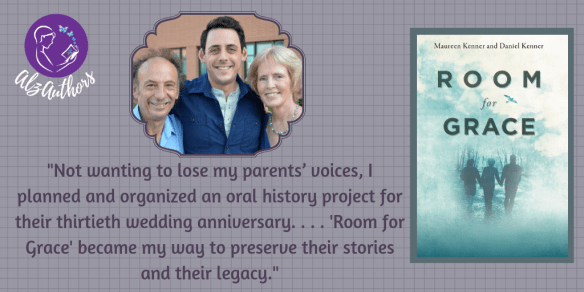





 Marianne Sciucco, Author