

By Laura Mansfield
Suddenly, five years ago, my world fell apart as my parents tumbled headfirst into old age. It was a pivotal time in my life. I was remarrying after a decade of being a single parent. My son was leaving the nest, starting college, while a special-needs stepson was landing unsteadily in my new nest. I was leaving my successful career at a high-powered advertising agency to start my own consulting business, which would allow me greater flexibility to care for my parents, my new family, and to watch over my son as he spread his wings into early adulthood.
It seemed doable. I was living the life of my generation—Gen T—the Taffy Generation, because “sandwich” just doesn’t cut the mustard. My friends and I are pulled like saltwater taffy as we have children later, our parents live longer, and we blend families in non-traditional ways. We’ve long since quit believing in the myth of work-life balance.
 I started writing about my journey into eldercare on Facebook in what I called #GeezerUpdates. The Facebook posts quickly gained traction and morphed into a blog at geezerstories.com and ultimately a book—my bittersweet memoir, Geezer Stories: The Care and Feeding of Old People.
There’s no how-to manual for taking care of old folks. We’re all flying blind here as our parents slide into their second childhoods. My book has a bite to it, with a backward glance at my own childhood. It’s a survival story about how to persevere in the face of inevitable hardship. It’s about choosing to age gracefully, despite the pain and the pathos. As my father, aka DooDaddy, famously said, “Growing old is not for the faint of heart.”
Over the past five years, my second marriage failed, my business faltered, and my son lost his way, as I found myself torn apart by the seemingly endless demands of caregiving. I moved three times and changed jobs four times, ultimately ending up back with the agency I left five years ago. And I lost both my parents agonizingly to cancer, which they faced with courage and dignity. My son graduated from college and has become his own person. My life has come full circle.
One of the many blessings of this tumultuous time was my father holding court at my Geezer Stories launch party. He had read the book—which was not always kind to him—three times. He could no longer walk or stand or even sign his name. I had a stamp made of his iconic scrawling signature, which he gamely stamped on each copy as he shook hands and gregariously greeted his fans that afternoon at Union Ave Books. It was a triumph. We sold out. It was DooDaddy’s last public outing. Continue reading


 Book Description
 SUSAN CUSHMAN returned to her native state of Mississippi to speak at Friends of the Library groups in ten small towns in 2017-18, including Oxford, where she had previously studied at the University of Mississippi. Those visits and the people she met inspired the stories in this, her fifth book. Her previously published books include: Cherry Bomb (a novel), Tangles and Plaques: A Mother and Daughter Face Alzheimer’s (a memoir), and two anthologies, A Second Blooming: Becoming the Women We Are Meant to Be, and Southern Writers on Writing. She was co-director of the 2010 and 2013 Creative Nonfiction Conferences in Oxford (MS) and director of the Memphis Creative Nonfiction Conference in 2011. She has spoken at numerous literary festivals, conferences, and workshops in eight states. Susan lives in Memphis with her husband of 49 years.


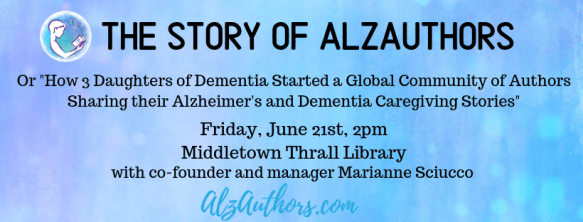
 After publication of my novel Blue Hydrangeas, an Alzheimer’s love story, I reached out to two other authors I met online who also published books on this deeply stigmatized subject. What happened next was totally unexpected: We created a movement that includes 200+ authors, a website, bookstore, anthologies, community outreach, and more. Our mission: To bring carefully vetted books and blogs to caregivers and others concerned about Alzheimer’s and dementia and to break through the silence that often accompanies these diseases.








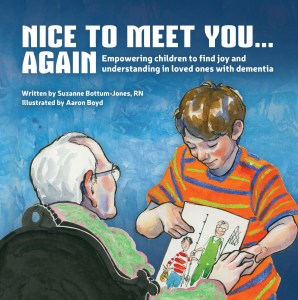 In the short time the book has been available I have been blessed with many responses from families of how they wished they would have had this resource when they were in this journey, or how it is currently changing their journeys and giving them back their joy with their loved one. Professionals and family caregivers have stated they carry the book with them because hardly a day goes by in which someone they know or meet shares their journey of dementia. By offering this book, they state that they feel like they can finally do more then just say, “I understand;” in addition they can offer hope.


 Marianne Sciucco, Author